
Pop-Up Book
A cloth-bound picture book opens on an oak table and V-folded paper layers rise into a pine forest with a lit cabin, then the board page turns, folding that scene flat as a lighthouse on rocks and waves stands up on the next spread.
Written and rendered by AI CSS Animations Oct 16, 2026
- Type
- prompt
- Made with
- Claude Opus 5.5 in Claude Code
- Built in
- three.js
- Topics
- 3D · Shapes
About this style
Movable paper devices are centuries old: medieval manuscripts used volvelles, rotating paper discs, for astronomical calculation, and the nineteenth century brought mass-produced movable books for children. Paper engineers build pop-ups from a few mechanisms, chiefly V-folds, parallel folds, pull tabs and wheels, glued so that opening the spread lifts each piece. The craft is in the geometry: every piece is driven only by the angle of the pages. Publishers, greeting card makers and brands use pop-ups because they turn opening a book into a small piece of theater.
The prompt
Make a 10-second pop-up book animation: a book opens and paper layers stand up into a scene, then a page turns and a second scene rises.

<inputs>
- Title: Bryony and the Lighthouse (Paperhare Press).
- Scene 1, dusk pines and a lit cabin: "Bryony walked all night through the tall pines,"
- Scene 2, a lighthouse above waves: "until she saw the lighthouse, still awake."
- Length: 10 seconds.
If I don't give you something, use the default and don't ask.
</inputs>

<direction>
Set: an oak table #C49466, a dusty teal wall #6E9BA2, window light from the left casting soft shadows.
Book: a board book (front cover, one stiff leaf, back cover; 2.2 × 2.8 units) on one spine. Cover: navy cloth #2F4B6E, a cream label with the title in Young Serif. Pages cream #F6EFDF.
Pieces are 0.006-thick cards cut to silhouettes from canvases: flat inks, 4% grain, a 3px white uncut border, skies in 3–4 flat bands. Dusk: sky #F2C38B to #D9876A, mountains #6B7FA6, pines #2E5E4E, cabin #B5533C. Night: sky #22305A, sea #1F4E79, lighthouse #F4EBDD banded #C8463A.
Mechanism is the point: every standing piece is a V-fold driven only by its spread angle α (0° closed, 180° open): a card folded on a center crease, its bottom edges glued along hinges meeting the gutter at angle β, opening toward the reader. Gutter along y, reader at −y: the fixed hinge is h_R = (sin β, −cos β, 0); h_L is its mirror on the moving page, rotated with it. The crease is c = normalize(h_R × h_L), upward sign; each half's points are P0 + u·h + v·c. Pieces rise as the spread opens and fold flat as it closes, nothing stretching.
Three V-folds per scene at different points along the gutter; one β per scene (60°, then 66°) keeps them parallel, so they never collide. Each line prints along the right page's foot in Young Serif, at least 28px on stage. Scene 2's beam is a paper fan on a hidden wheel.
Motion: the cover opens over 2.4s (easeInOutCubic). The turn is the rigid leaf rotating 180° about the spine over 2.2s (easeInOutSine): spread 1 closes as spread 2 opens. No piece has its own timer.
Camera: fov 30, reader's side, 40° up, the spread filling 72% of the width; it starts close on the cover.
Premium is paper engineering you can believe: pieces rising only because pages open, layered shadows, crisp cut edges. Cheap is cut-outs fading or scaling out of the page.
Banned: stretching or intersecting pieces, motion independent of the page angle, fades, glossy paper, gradients on paper, anything flashing more than 3 times per second.
</direction>

<structure>
- 0.0–1.0s: the closed book; the camera hangs close over the cover.
- 1.0–3.4s: the cover opens; mountains, pines and cabin stand up in depth order, shadows sweeping the page.
- 3.4–4.8s: scene 1 complete; the camera settles and drifts in.
- 4.8–7.0s: the page turns; the forest folds flat beneath it as lighthouse, rocks and waves rise.
- 7.0–8.4s: scene 2 complete; the paper beam swings 30° across the sky.
- 8.4–10s: hold.
Other lengths: scale the opening and the turn together; hold at least 1.2s.
</structure>

<build>
One self-contained index.html, inline CSS and JS, on a 1920×1080 (16:9) stage scaled to fit the window, built for 60fps. Google Fonts via <link>, awaited with document.fonts.load() before seek exists.
window.seek(t) sets every visual from t alone: no CSS transitions or animations, no setTimeout/setInterval, no state carried between frames, randomness only from a seeded PRNG. Every piece's pose is solved from its spread angle, a pure function of t.
Without ?render in the URL, drive seek from requestAnimationFrame; with ?render, don't start that loop.
three.js as an ES module pinned to three@0.160.0 via a jsDelivr import map (`three`, `three/addons/`); preserveDrawingBuffer: true; one render per seek. No image, model or typeface files beyond Google Fonts.
</build>

<check>
Before showing me, step through one frame per second (0–10s) and look at each. Fix overlaps, clipped or cramped text and anything off-style or Banned. Look for a piece standing further than its spread allows, layers touching each other or the turning leaf, illegible printed lines, a cropped spread. Confirm the final frame holds.
</check>
Ours, and free to use under CC0: copy it, change it, ship it. No credit needed.
Similar prompts
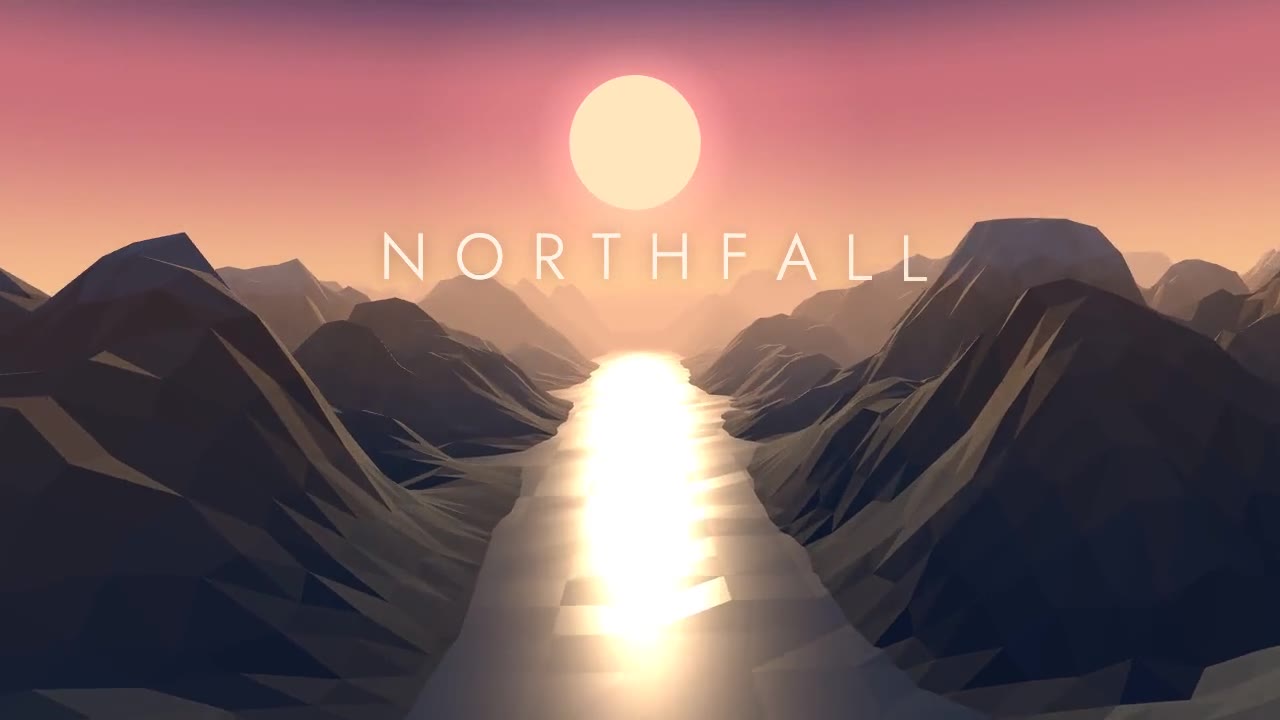
A slow golden-hour glide down a faceted valley: flat-shaded ridges, a low sun, fog melting the far range into the horiz…
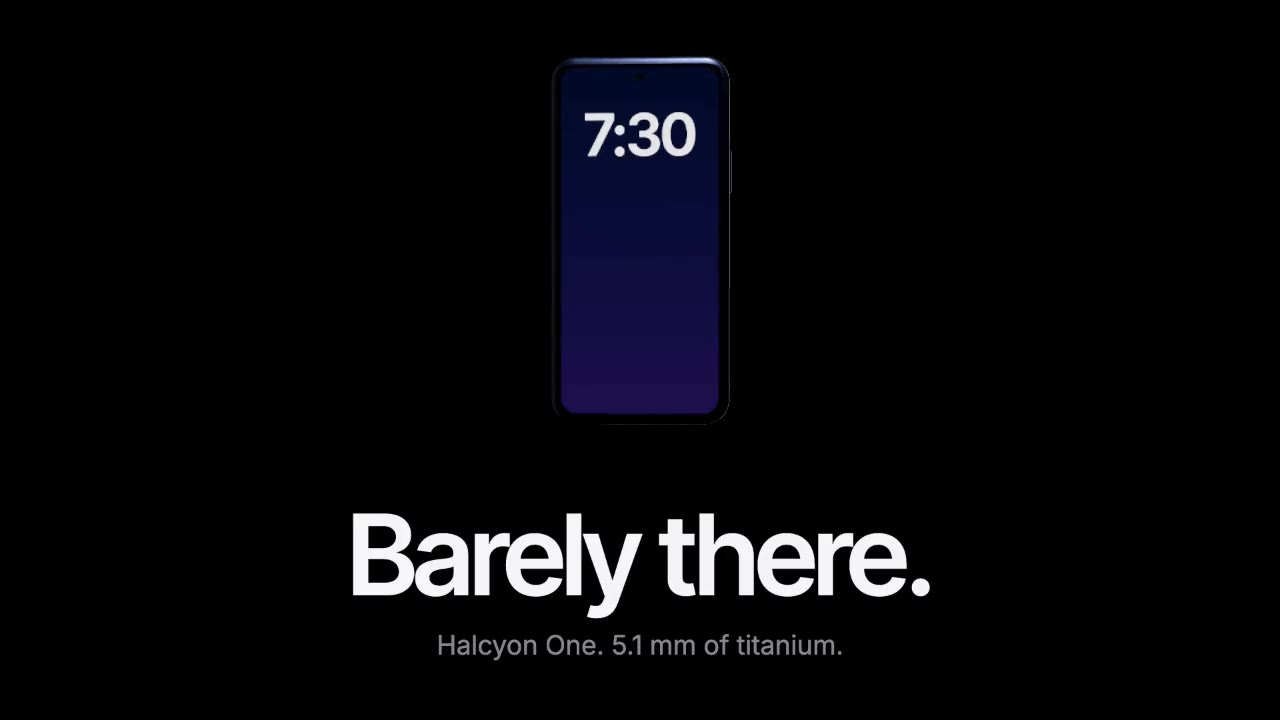
A device built in three.js rises out of total darkness while a softbox reflection glides along its titanium edge, then…
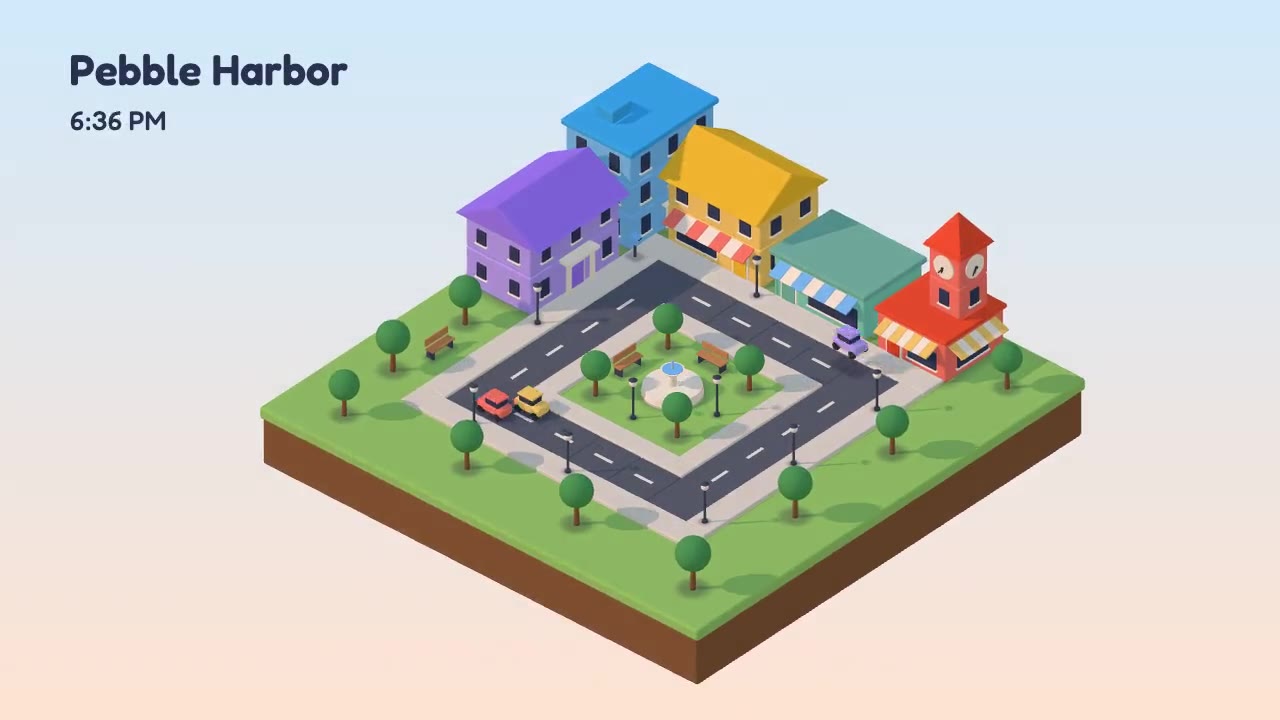
A toy-like isometric city block that builds itself on a floating slab: bevelled buildings rise floor by floor, cars loo…

Chunky two-tone 3D letters swing into place one by one on a seamless studio sweep, lit like a product shot with soft sh…
More like this on the motion design inspiration board: Motion graphics inspiration3D motion design inspiration