
Exploded View
A small round speaker on a pale studio sweep separates along its axis into eight modeled parts, from knit grille and cone driver to battery and rubber foot, each labeled on a strict column, then everything slides back home and its light ring wakes.
Written and rendered by AI CSS Animations Oct 16, 2026
- Type
- prompt
- Made with
- Claude Opus 5.5 in Claude Code
- Built in
- three.js
- Topics
- 3D · Explainer
About this style
Exploded-view drawings show an assembly with its parts pulled apart along the directions in which they fit together, so the order and relationships stay clear. The approach goes back to Renaissance engineering drawings, including Leonardo da Vinci's notebooks, and became standard in service manuals, assembly instructions and patent drawings. Animated, the view separates and rejoins in assembly order, with labels on leader lines. Hardware launches and product explainers use it to show what is inside and how carefully it fits.
The prompt
Make a 10-second exploded-view product animation: a small speaker separates along its axis into labeled layers, holds, then reassembles.

<inputs>
- Product: Marlo Disc speaker, by Marlo Audio.
- Parts, top to bottom: Knit grille · Touch ring · 2.5 in driver · Aluminum body · Logic board · 5,000 mAh battery · Passive radiator · Rubber foot.
- Headline: "Eight parts. One small speaker."
- Length: 10 seconds.
If I don't give you something, use the default and don't ask.
</inputs>

<direction>
Set: a pale cool studio sweep, #EEF0F2 to #E1E4E8. Ink #1D2228, secondary #6B7380, teal #17B3A5 only for leader dots and the light ring.
The device, modeled in code: a disc 1.6 units across and 0.62 tall, every part nesting exactly. Knit grille: domed, procedural knit in heather greys. Touch ring: frosted acrylic with icons and a light ring. Driver: ribbed lathe cone, rubber surround, dust cap, magnet. Body: a bead-blasted aluminum band (metalness 1, roughness 0.38, #C9CDD2). Logic board: matte black PCB, gold pads, chips. Battery: slate wrap printed "5000 mAh". Passive radiator; rubber foot with grip rings.
Light: RoomEnvironment and a soft upper-left key. Camera: fov 24, 22° above the disc's plane, orbiting 20° on easeInOutSine, easing back 8% while apart.
The body stays fixed: parts above rise and parts below drop, straight along the axis, outermost first, to even gaps of about 110px, the stack spanning y 150–950 around x 700. Moves take 0.8s on cubic-bezier(0.65, 0, 0.35, 1), 0.12s apart, each part turning 12°. Reassembly reverses, innermost first, each part landing with a 2px settle (cubic-bezier(0.34, 1.3, 0.64, 1), 0.5s).
Labels: HTML on a strict column at x 1240: a 1px leader from a 6px teal dot on the part's edge (re-projected every frame), an index in JetBrains Mono 500, 20px, and the name in Manrope 600, 26px. Leaders draw in 0.35s; text rises 10px.
Final frame: the assembled disc near (700, 560), 760px wide; at x 1180 the product name in JetBrains Mono 500, 22px, uppercase, over the headline in Manrope 700, 64px, on two lines.
Premium is engineering you believe: exact nesting, even gaps, a strict label column. Cheap is parts flying out at random with glowing outlines.
Banned: off-axis paths, rotation past 20°, wireframes, X-ray views, glow, crossing leaders, labels over parts, anything flashing more than 3 times per second.
</direction>

<structure>
- 0.0–1.2s: the assembled speaker; a soft highlight slides across the aluminum.
- 1.2–3.4s: the explode: grille, ring and driver rise; foot, radiator, battery and board drop; the camera eases back.
- 3.4–5.2s: leaders and labels draw on, top to bottom, 0.18s apart.
- 5.2–6.4s: hold on the exploded view.
- 6.4–7.6s: labels retract; parts return, innermost first, and settle.
- 7.6–8.4s: the light ring wakes teal; the camera eases in.
- 8.4–9.0s: product name and headline rise 14px into place.
- 9.0–10s: hold.
Other lengths: stretch the exploded hold first; keep 1s of final hold.
</structure>

<build>
One self-contained index.html, inline CSS and JS, on a 1920×1080 (16:9) stage scaled to fit the window, built for 60fps. Google Fonts via <link>, awaited with document.fonts.load() before seek exists.
window.seek(t) sets every visual from t alone: no CSS transitions or animations, no setTimeout/setInterval, no state carried between frames, randomness only from a seeded PRNG. Labels re-project from 3D anchors inside seek.
Without ?render in the URL, drive seek from requestAnimationFrame; with ?render, don't start that loop.
three.js as an ES module pinned to three@0.160.0 via a jsDelivr import map (`three`, `three/addons/`); preserveDrawingBuffer: true; one render per seek. No image, model or typeface files beyond Google Fonts.
</build>

<check>
Before showing me, step through one frame per second (0–10s) and look at each. Fix overlaps, clipped or cramped text and anything off-style or Banned. Look for parts leaving the axis, gaps or intersections when assembled, uneven exploded gaps, leaders that cross or end on the wrong part. Confirm the final frame holds.
</check>
Ours, and free to use under CC0: copy it, change it, ship it. No credit needed.
Similar prompts
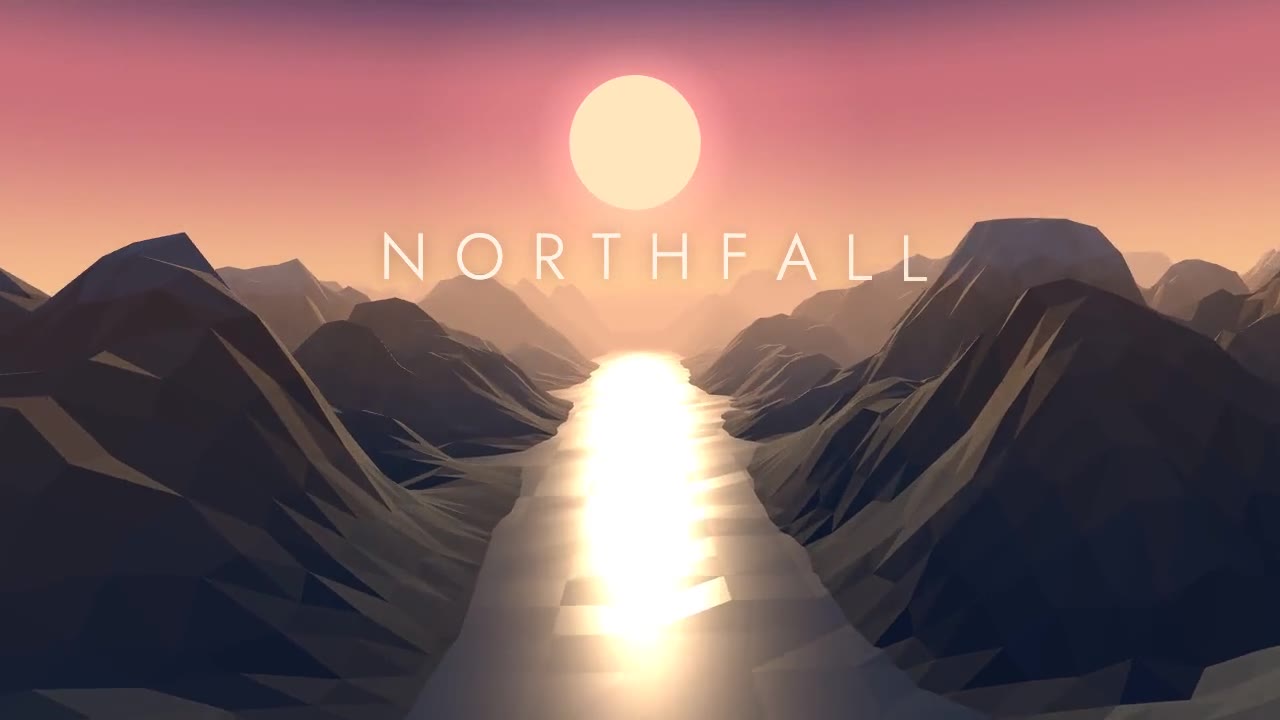
A slow golden-hour glide down a faceted valley: flat-shaded ridges, a low sun, fog melting the far range into the horiz…
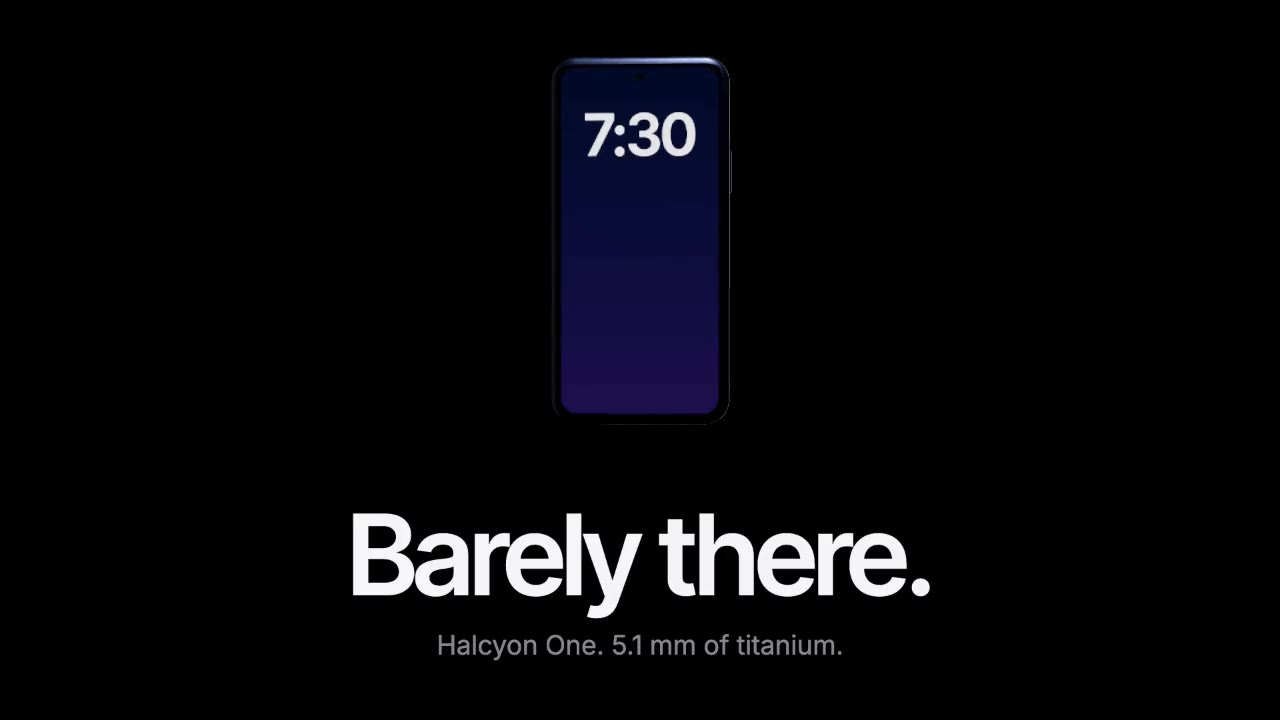
A device built in three.js rises out of total darkness while a softbox reflection glides along its titanium edge, then…
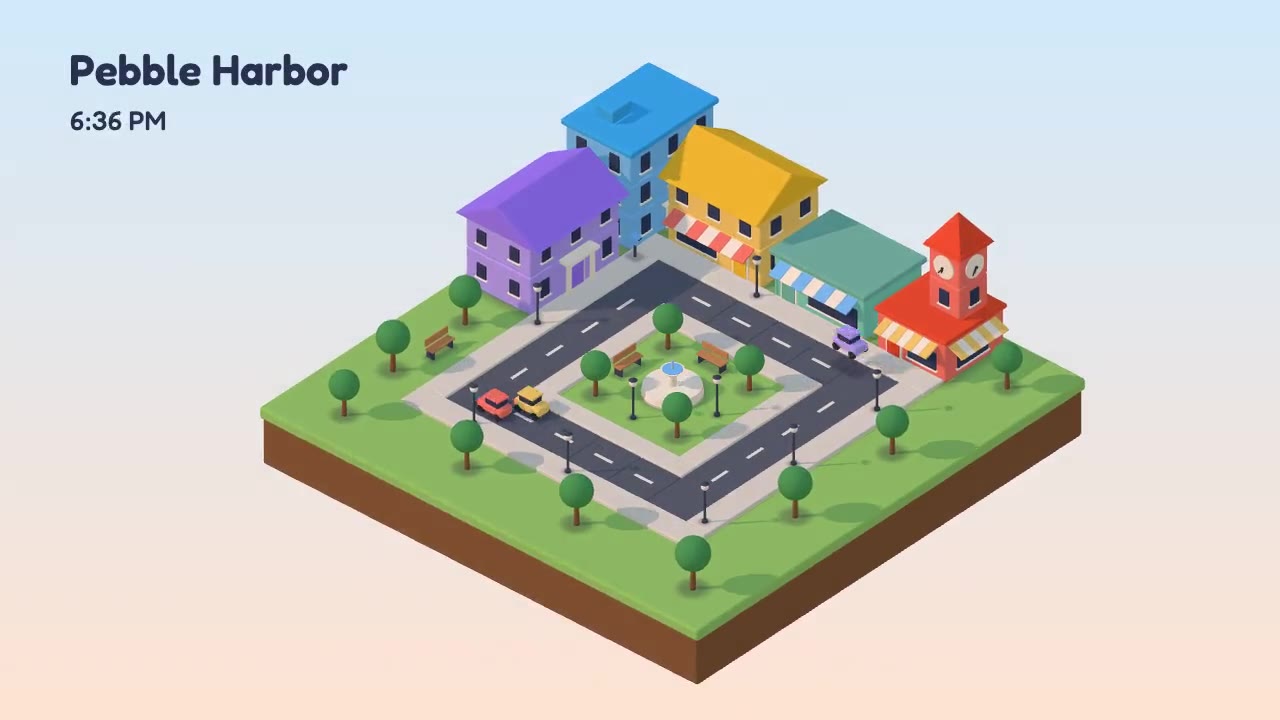
A toy-like isometric city block that builds itself on a floating slab: bevelled buildings rise floor by floor, cars loo…
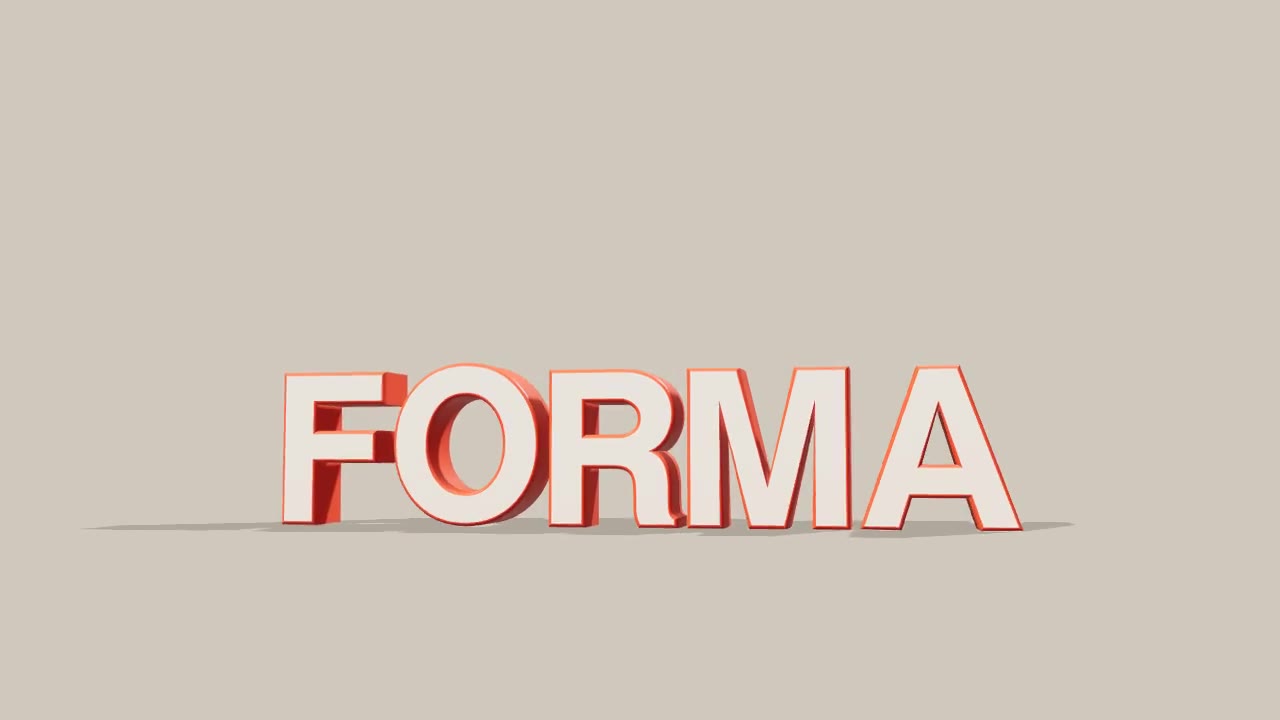
Chunky two-tone 3D letters swing into place one by one on a seamless studio sweep, lit like a product shot with soft sh…
More like this on the motion design inspiration board: 3D motion design inspirationExplainer video inspiration