
Isometric Miniature City
A toy-like isometric city block that builds itself on a floating slab: bevelled buildings rise floor by floor, cars loop the streets, shadows stretch, and windows light up as afternoon turns to dusk.
Written and rendered by AI CSS Animations Oct 12, 2026
- Type
- prompt
- Made with
- Claude Opus 5.5 in Claude Code
- Built in
- three.js
- Topics
- 3D · Shapes
About this style
Isometric miniature worlds show a scene from a fixed, elevated angle with no perspective distortion, a viewpoint familiar from city-building games; the toy-like finish echoes tilt-shift photography, which makes real streets look like models. Rendered as a floating diorama with rounded, toy-like forms and soft shadows, the style makes a whole system readable at a glance. Tech, real-estate and logistics brands use it to show many moving parts at once without clutter.
The prompt
<inputs>
You're making an isometric miniature city that builds itself. I may supply any of these; if I don't give you something, use the default and don't ask.
- Place name: Pebble Harbor (fictional).
- Buildings: bakery, café, three-story apartments, corner shop with a clock tower, small library, plus a park with trees and a fountain.
- Time: afternoon into dusk, the clock running 4:00 PM → 8:00 PM.
- Length: 10 seconds.
</inputs>

<direction>
One city block on a thick floating slab (grass top #9BD26C, soil sides #8A5D3B) over a vertical gradient shifting from #D5EEFF→#FFE6D6 (day) to #2C2F5E→#E08467 (dusk).
Toy palette, six building hues at most: coral #FF7A6B, butter #FFD36E, mint #7FD8BE, sky #7CC6FE, lilac #B9A3FF, cream #FFF4E0; roofs a darker shade of their walls. Road #5B6170 with #F4F1E8 dashes; sidewalks #E7E0D2; windows #34405F by day, emissive #FFD27A at dusk.
Forms are chunky, with soft bevels (RoundedBoxGeometry, radius 0.04–0.08), like painted wood or vinyl. Readable-scale detail only: awnings, lamps, benches, a mailbox, lollipop trees.
OrthographicCamera at true isometric angles (45° yaw, 35.264° pitch), no perspective. MeshStandardMaterial, roughness 0.8. A hemisphere fill plus one directional sun with soft shadows (PCFSoftShadowMap, 2048 map) that lowers and warms so shadows stretch.
Motion: buildings rise floor by floor, each storey scaling up from 0 with easeOutBack (1.4) over 0.25s, 120ms apart; roofs drop from +2 units and bounce once. Trees and props spring in with ≤10% overshoot. Cars are rounded blocks with wheels: position = path(fract(t·speed + offset)), easing through corners. At dusk, windows switch on over 1.2s in a seeded order; lamps get small additive glow sprites. The diorama turns 15° across the piece (easeInOutSine).
Overlay: "Fredoka" 600 title, 64px, top-left; the clock in "Fredoka" 500, tabular numerals.
Authentic: a clean silhouette, one consistent angle, contact shadows grounding every object. Cheap: a rainbow clutter of tiny parts.
Banned: perspective cameras, texture images, heavy bloom, real brands or car models, 3D text, physics engines.
</direction>

<structure>
- 0–1.0s: the slab rises from below (easeOutCubic); road tiles drop in sequence around the loop.
- 1.0–4.0s: five buildings assemble in turn; roofs bounce.
- 4.0–5.5s: the park springs in (trees, fountain, lamps, benches); the first car enters.
- 5.5–8.0s: three cars loop; the sky warms; shadows lengthen; the diorama turns.
- 8.0–9.2s: dusk: windows and lamps light in seeded order; the background reaches night.
- 9.2–10s: the composition holds while cars keep circling; the clock reads 8:00 PM.
Other lengths: scale the beats proportionally and keep at least 0.8s of hold.
</structure>

<build>
One self-contained index.html (inline CSS and JS; Google Fonts via <link> are fine), a 1920×1080 (16:9) stage scaled to fit the window, built for 60fps. Use three.js, truly needed here for depth, soft shadows and lit windows: a pinned CDN build (e.g. three@0.160.0 plus addons) via an import map, preserveDrawingBuffer: true, one render per seek.
window.seek(t) (t in seconds) sets every visual from t alone, clamping past the end to the last frame. No CSS transitions or CSS animations, no setTimeout/setInterval, no state carried between frames. Window order and sizes come from a fixed-seed PRNG (anything varying per frame seeds from the frame number); never Math.random.
With no ?render in the URL, call seek from requestAnimationFrame so it plays in a browser; with ?render, don't start that loop.
</build>

<check>
Before showing me, step through one frame per second (0–10s) and look at each. Fix overlaps, clipped or cramped text and anything off-style: nothing intersecting, soft shadows present, cars on the road, title and clock clear of the diorama. Confirm the final frame holds.
</check>
Ours, and free to use under CC0: copy it, change it, ship it. No credit needed.
Similar prompts
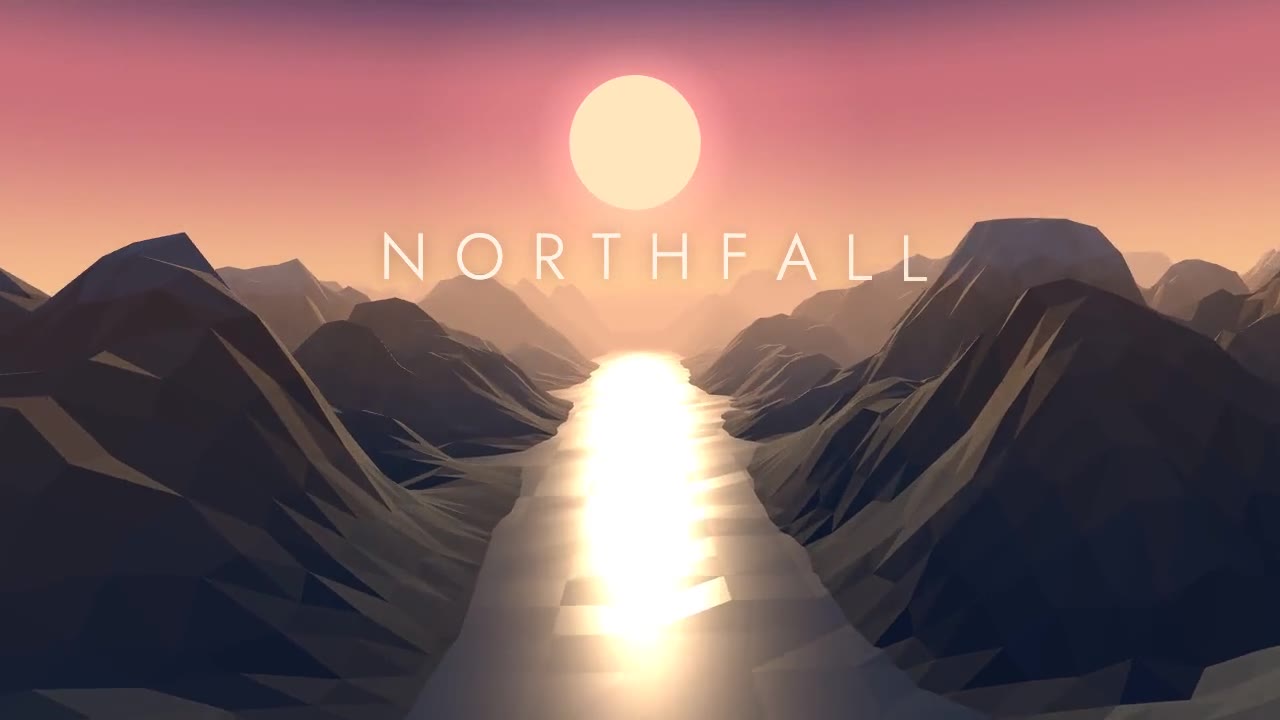
A slow golden-hour glide down a faceted valley: flat-shaded ridges, a low sun, fog melting the far range into the horiz…
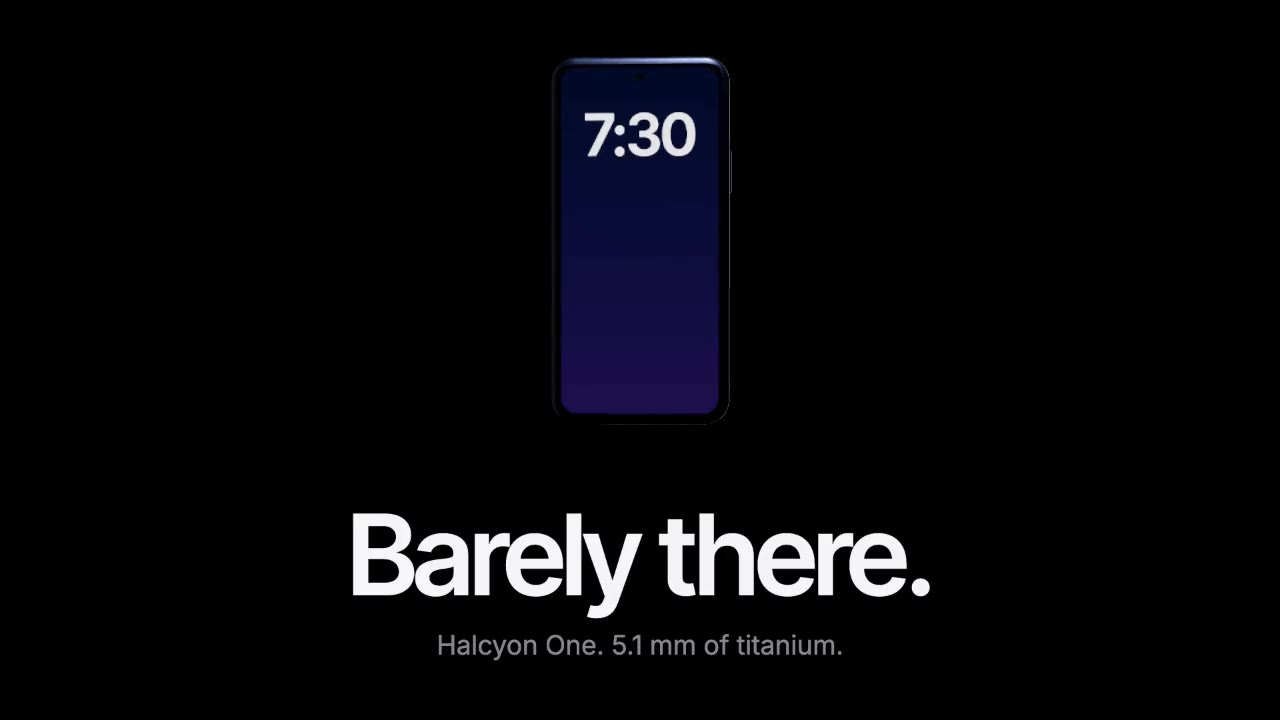
A device built in three.js rises out of total darkness while a softbox reflection glides along its titanium edge, then…

Chunky two-tone 3D letters swing into place one by one on a seamless studio sweep, lit like a product shot with soft sh…
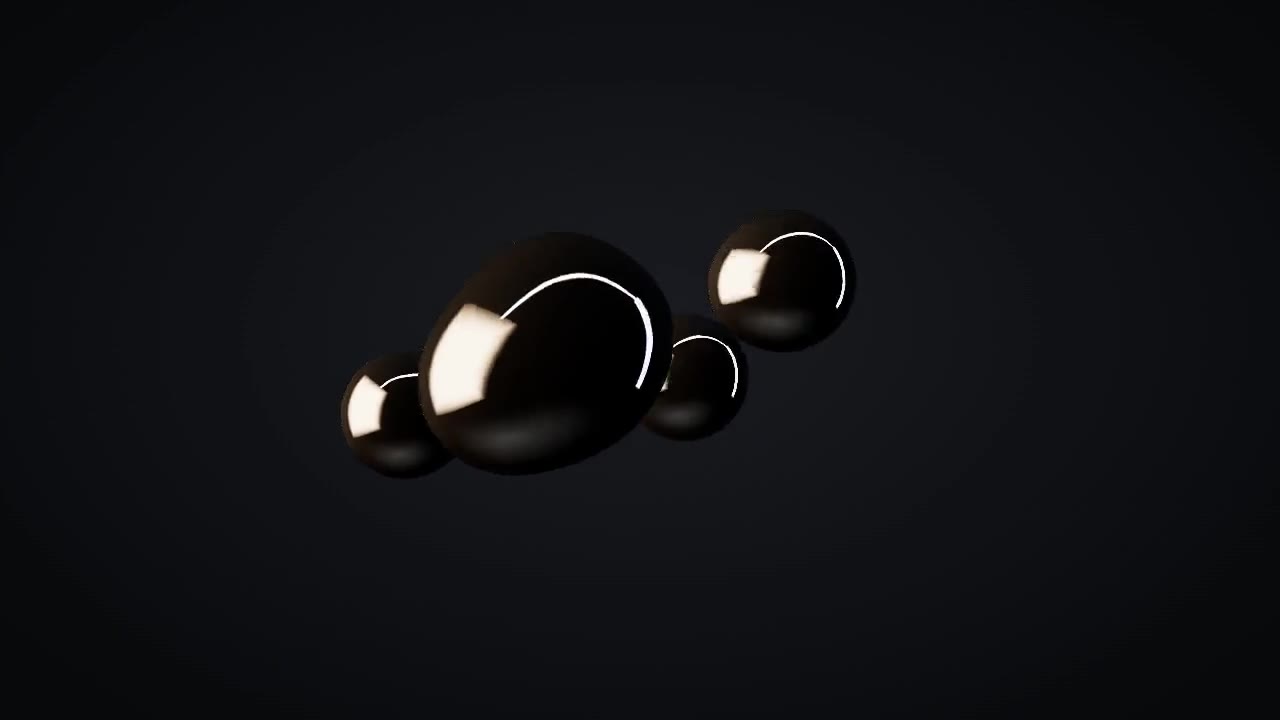
A mirror-chrome metaball mass floats in a dark studio, buds into droplets that orbit and fuse with surface tension, the…