
Spatial Glass Windows
Three frosted glass app windows float over a dusk lake in real 3D: the hills blur and slide through the glass as the camera drifts, then the music player comes forward into focus while the others recede and a glass tab bar rises beneath it.
Written and rendered by AI CSS Animations Oct 16, 2026
- Type
- prompt
- Made with
- Claude Opus 5.5 in Claude Code
- Built in
- three.js
- Topics
- 3D · Product UI
About this style
Spatial interfaces place app windows in the space around the viewer, as on mixed-reality headsets, rather than on a flat screen. Frosted, translucent materials let each window show a softened view of what is behind it, so people keep a sense of their surroundings, while depth comes from parallax, scale and light catching the edges. Concept films and flat interfaces now borrow the same glass panels and floating layers.
The prompt
Make a 10-second spatial interface film: frosted glass app windows float in 3D over a dusk landscape, with parallax and depth, and one comes forward when focused.

<inputs>
If I don't give you something, use the default and don't ask.
- Product: default "Paneo" (a spatial workspace)
- Windows: default Notes (a "Trip ideas" checklist), Player ("Harbor Lights" by The Quiet Arcs, 2:14 of 3:48), Weather ("Port Aster", 14°, "Clear evening")
- Focused window: default the Player
- Headline: default "Room for every window."
- Length: default 10 seconds
</inputs>

<direction>
- Backdrop: paint once into a 4096×1024 CanvasTexture inside a far cylinder (radius 40, 140° arc): sky #1E1B3A → #6B4A7A → #F09A6E, a low sun #FFD9A8, three seeded hill silhouettes #2B2448, #3D2F5A, #5A3F6E and a still lake mirroring them. This contrasty horizon is what the glass blurs.
- Glass: RoundedBoxGeometry slabs 0.035 thick, radius 0.06 (Player 2.0 × 1.25, the others 1.2 × 1.4), MeshPhysicalMaterial with transmission 1, roughness 0.42, ior 1.4, clearcoat 0.6 and an envMap from PMREMGenerator.fromScene of the backdrop so rims catch the sunset. A HemisphereLight (#BBA9FF/#2A1E3A) and a warm key from the upper left.
- Content: each window's UI in its own CanvasTexture (1024 px per unit) on a plane 0.022 in front of the glass over a 10% #120E24 tint: Outfit 300–600, white at 95% and 68%, accent #FFC27A, line icons; body 0.056 units, at least 20px on screen.
- Camera: 30° field of view at (0, 0, 5), looking at (0, 0, −0.6). Drift through u(t) = t until 7s, then t − (t − 7)²/4 until 9s, then 8: x = 0.35·sin(2πu/9), y = 0.08·sin(2πu/7), plus a 0.3 dolly-in; windows bob ±0.015 on their own sines of u.
- Layout: Notes (−1.95, 0.1, −0.9) yawed +20°, Player (0, 0.05, −0.6), Weather (1.95, 0.1, −0.9) yawed −20°. Focused: the Player at (0, 0.2, 1.0) facing the camera; the others recede to z −1.6, x ±2.2, content dimmed to 55%, roughness 0.6.
- Motion: windows materialize scaling 0.9→1 and rising 0.12 (0.9s, cubic-bezier(0.22, 1, 0.36, 1)); a soft radial gaze highlight slides to targets in 0.4s; the focus move takes 1.1s on cubic-bezier(0.65, 0, 0.35, 1).
- Premium is real refraction: hills soften and shift inside the glass as the camera drifts, rims catch light, near windows slide past far ones. Cheap is flat translucent cards with a uniform blur and a drop shadow.
Banned: backdrop-filter or HTML cards posing as glass, opaque windows, neon outlines, bloom, lens flares, blurred text, real OS names, image files, emoji, anything flashing more than 3 times per second.
</direction>

<structure>
- 0.0–1.2: Black opens onto the dusk (exposure 0→1) as the camera dollies in.
- 1.2–2.8: Notes, Player and Weather materialize, 280ms apart.
- 2.8–4.6: The camera drifts; the hills slide through the frosted glass at a different rate from the windows.
- 4.6–6.1: The gaze highlight lands on the Player, which comes forward as the others recede and dim.
- 6.1–7.4: Press play: it turns to pause and progress runs on; a glass tab bar with four icons rises beneath.
- 7.4–8.6: The drift slows; "Paneo" fades in top-left and the headline (Outfit 300, 56px, HTML) fades up, centered on baseline y 970.
- 8.6–10.0: Hold; still from 9.0s.
For other lengths, stretch the drift before the focus and hold at least 1s.
</structure>

<build>
One self-contained index.html (inline CSS and JS), a 1920×1080 (16:9) stage scaled to fit the window, built for 60fps. Google Fonts via <link>, awaiting document.fonts.load() for each face before defining window.seek. three.js, needed for real refraction: an ES module pinned to three@0.160.0 via an import map on jsDelivr (three and three/addons/), preserveDrawingBuffer: true, ACESFilmic tone mapping, one render per seek. window.seek(t) (t in seconds) sets every visual from t alone, clamping past the end: no CSS transitions or animations, no setTimeout/setInterval, no state carried between frames, randomness only from a seeded PRNG. Without ?render in the URL, drive seek from requestAnimationFrame; with ?render, don't start that loop.
</build>

<check>
Before showing me, step through one frame per second (0–10s) and look at each. Fix overlaps, clipped or cramped text and anything off-style or Banned. Between 3s and 4s the hills behind the glass visibly shift and stay blurred; text stays sharp. Confirm seek(10) and seek(11) match.
</check>
Ours, and free to use under CC0: copy it, change it, ship it. No credit needed.
Similar prompts
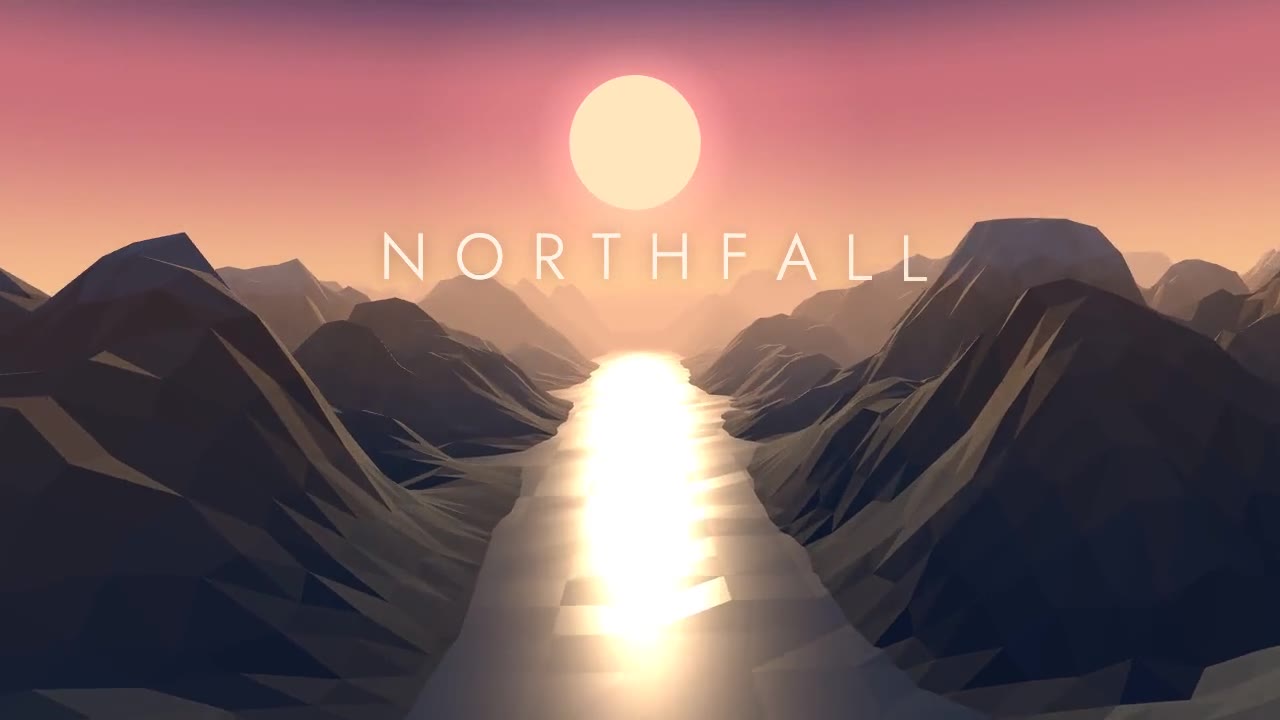
A slow golden-hour glide down a faceted valley: flat-shaded ridges, a low sun, fog melting the far range into the horiz…
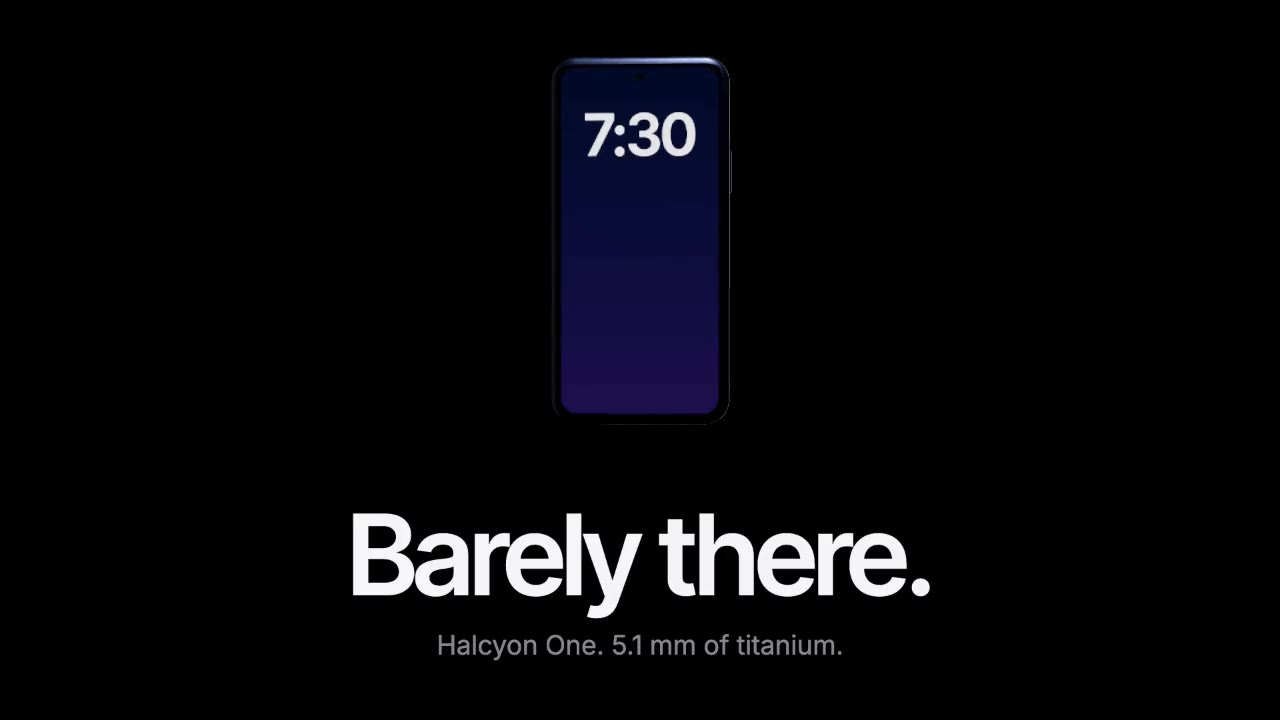
A device built in three.js rises out of total darkness while a softbox reflection glides along its titanium edge, then…
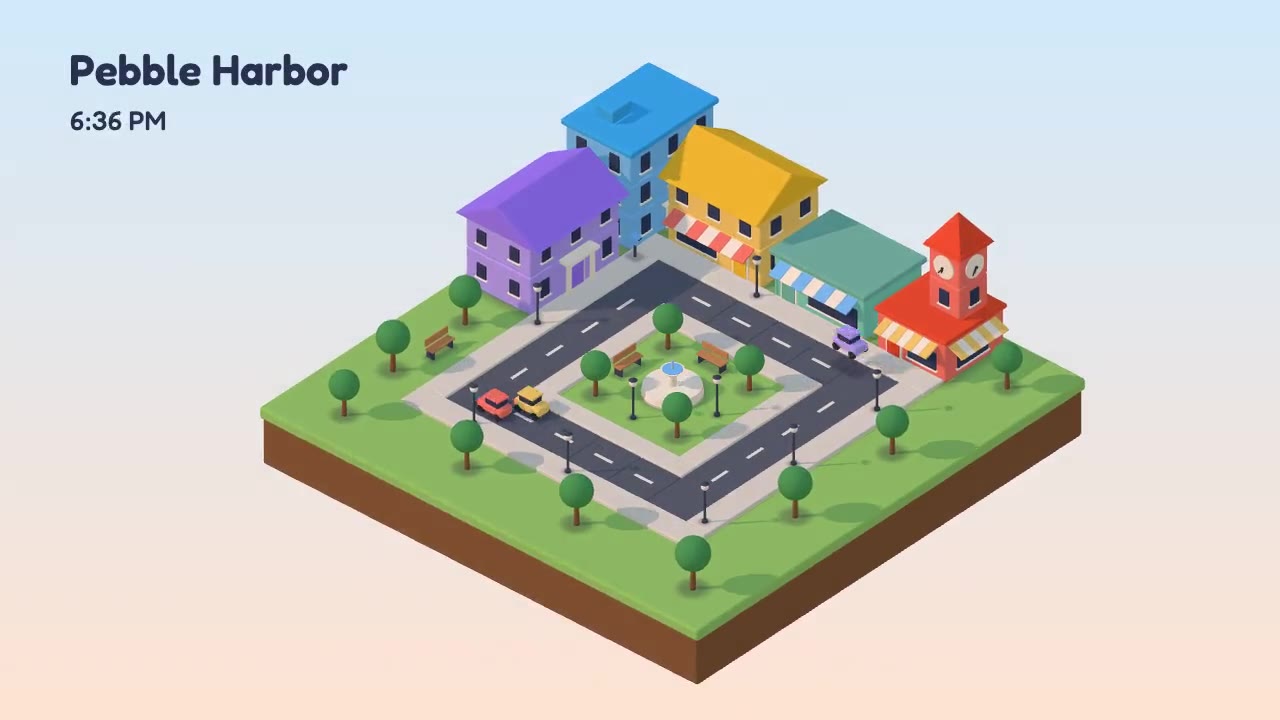
A toy-like isometric city block that builds itself on a floating slab: bevelled buildings rise floor by floor, cars loo…
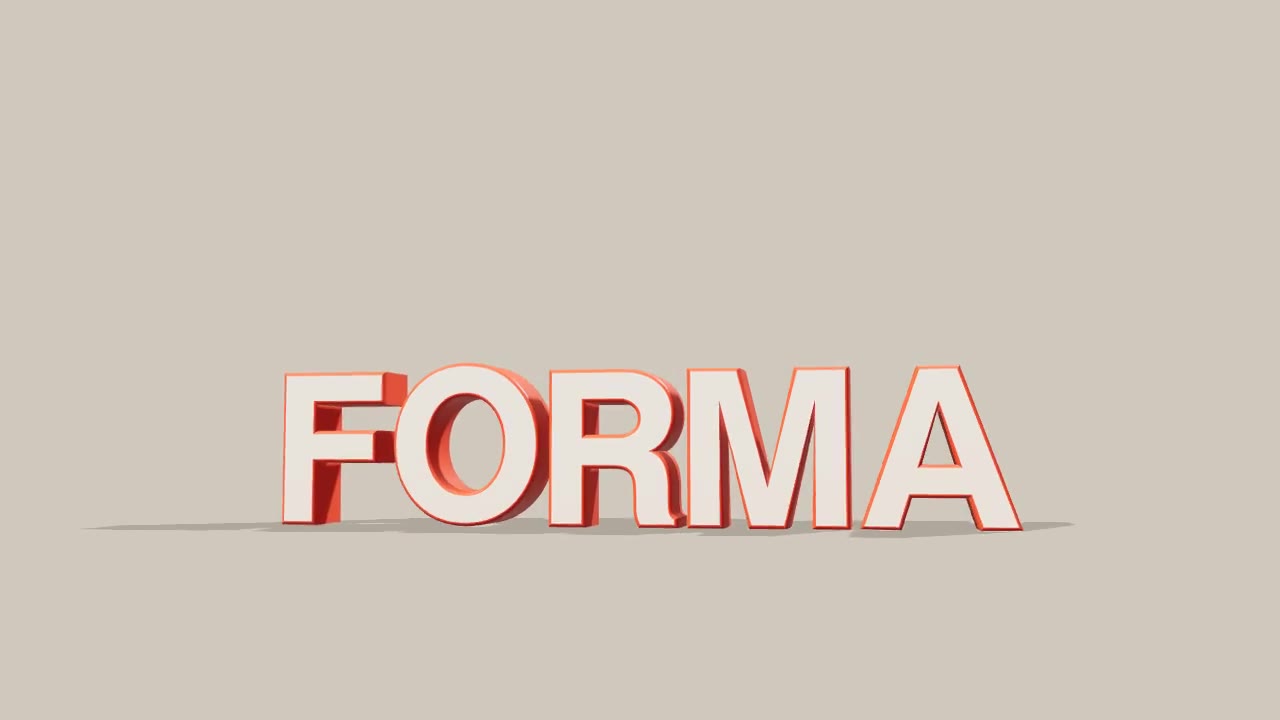
Chunky two-tone 3D letters swing into place one by one on a seamless studio sweep, lit like a product shot with soft sh…
More like this on the motion design inspiration board: UI animation inspiration3D motion design inspiration