
Premium
Source to Syntax Tree
One line of code is scanned into colored token chips that lift out, nest by precedence into a syntax tree, get walked in post-order with numbered badges, then fold down into a six-row bytecode column on graph paper.
Written and rendered by AI CSS Animations Nov 2, 2026
- Type
- prompt
- Made with
- Claude Opus 5.5 in Claude Code
- Built in
- SVG
- Topics
- Code · Explainer · Diagrams
About this style
A compiler reads code in stages. The lexer cuts raw characters into tokens such as keywords, names and operators; the parser arranges those tokens into an abstract syntax tree whose shape encodes precedence, so the brackets in a line like price * (1 + rate) become structure rather than characters. A code generator then walks the tree, often in post-order, and emits instructions for a virtual machine: load the operands, apply the operator, store the result. Interpreters such as the ones behind Python and Lua work this way, and the pipeline is a staple of computer science courses and developer explainer videos.
Premium
Unlock the prompt
Everything you see above is live. Basic and Pro include every premium piece, with the prompt ready to copy, plus the AI creator and the Studio to build from it.
Similar prompts
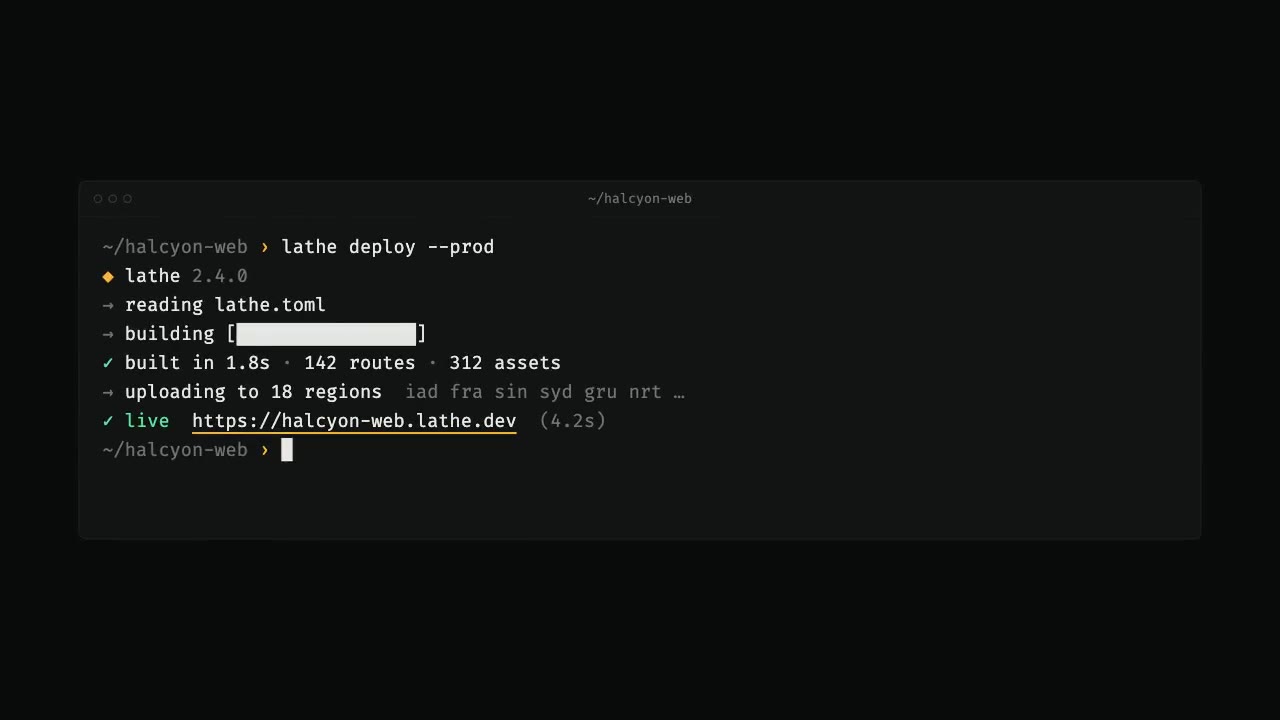
A terminal types a deploy command with a human rhythm, output streams with spinners and a progress bar, then every glyp…
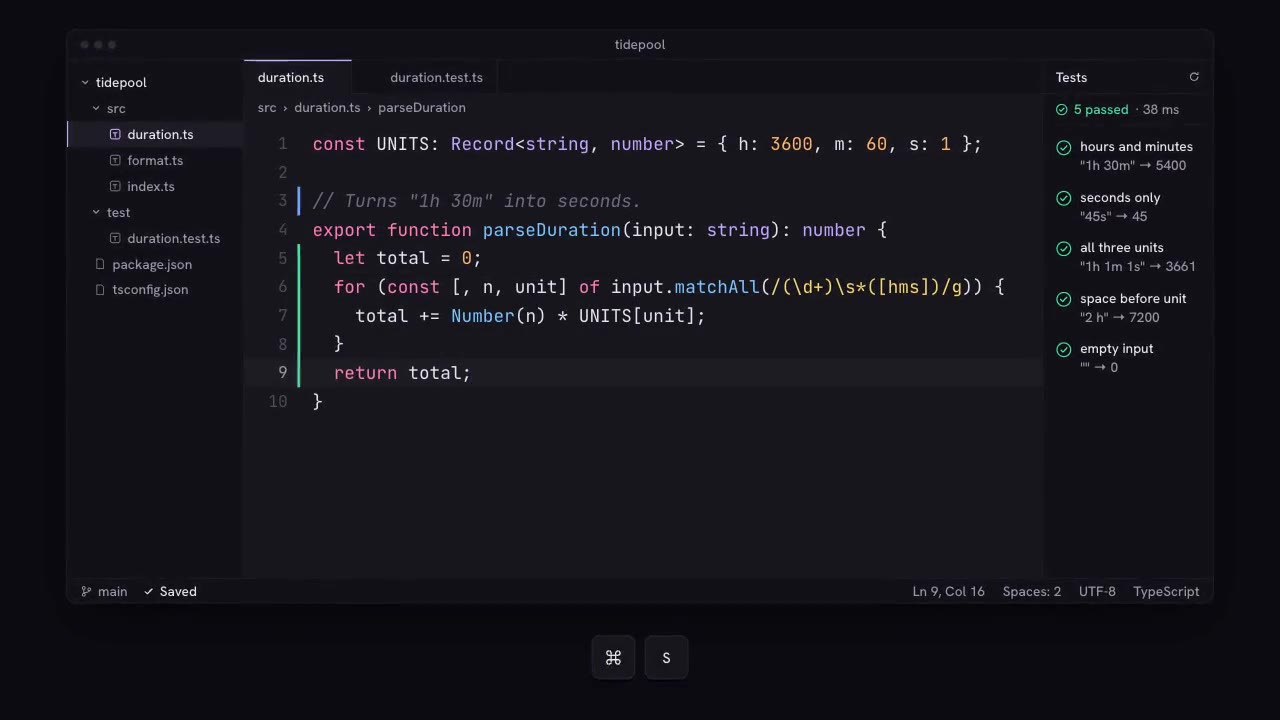
A dark code editor in an original pink-and-lilac theme: dimmed ghost text suggests a function body, two Tab presses acc…
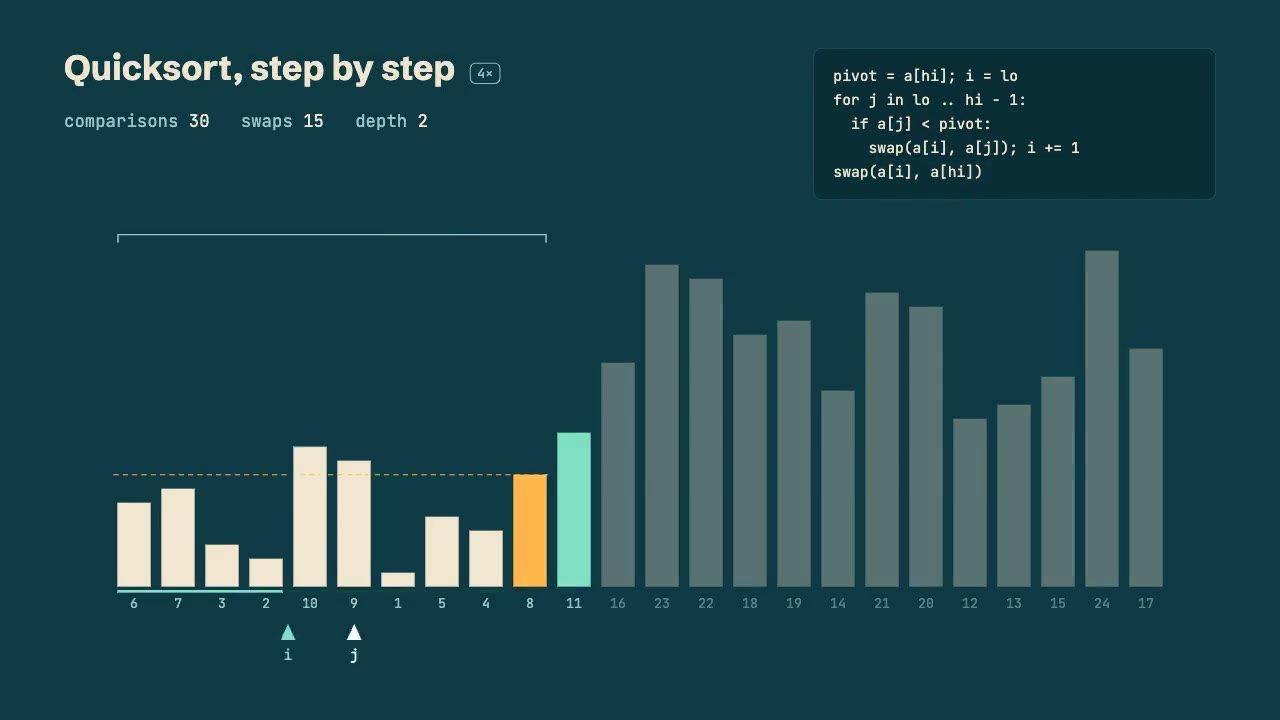
Quicksort replayed honestly on a deep teal stage: 24 cream bars, an amber pivot with a dashed level line, pointers walk…
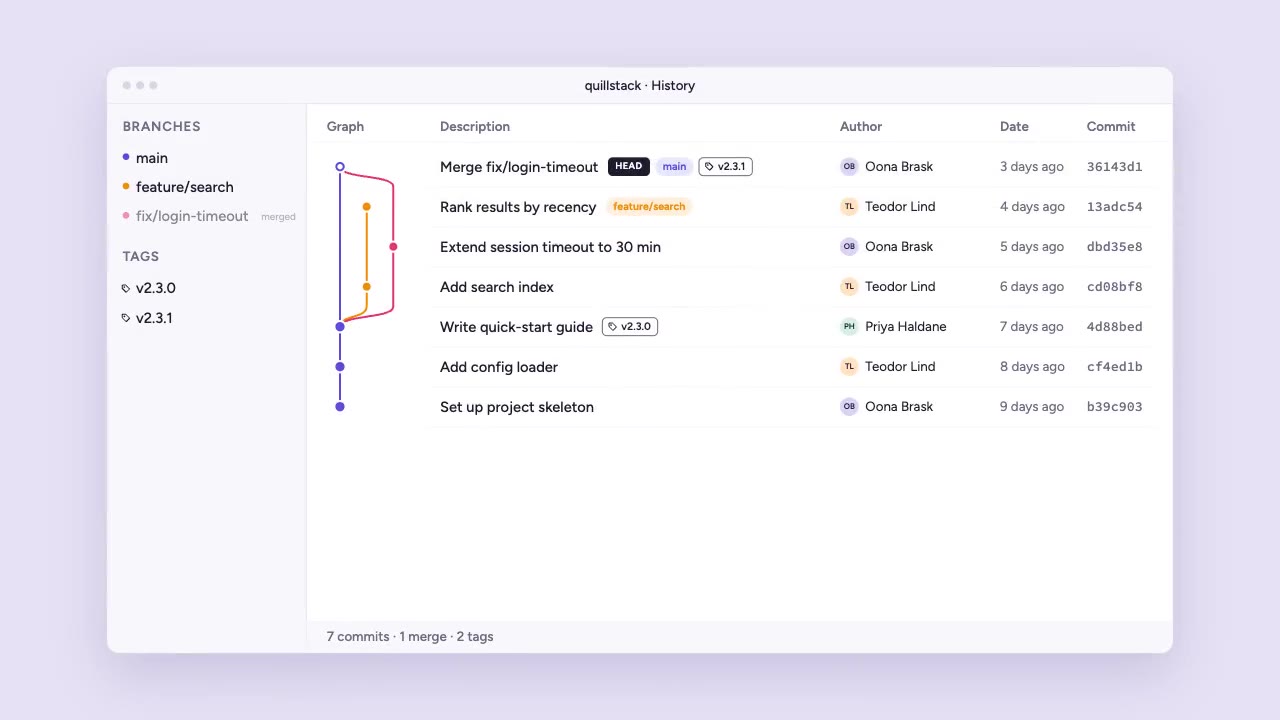
A light desktop history view on a lilac backdrop: commits land one by one at the top of a lane graph, a feature branch…
More like this on the motion design inspiration board: Explainer video inspirationDiagram animation inspirationCode animation inspiration