
Premium
Lip-Sync Mouth Chart
An animator's model sheet for an original toucan: six beak shapes for A, E, O, M, F and L pop onto a phoneme chart, then the bird sings "Fly me home, la la!" on twos while each panel lights on its key and a dope sheet's playhead runs under the dialogue, waveform and mouth track.
Written and rendered by AI CSS Animations Nov 2, 2026
- Type
- prompt
- Made with
- Claude Opus 5.5 in Claude Code
- Built in
- SVG
- Topics
- Characters · Music
About this style
Lip sync charts go back to the Disney and Fleischer studios of the 1930s, where animators drew a fixed set of mouth shapes and timed them to the dialogue frame by frame on an exposure sheet, or dope sheet, after reading the soundtrack phonetically. Most studios still use a short set of key shapes, often six to ten, grouping sounds that look alike on the face, such as M, B and P. Animating on twos, holding each drawing for two frames at 24 fps, is a long-standing convention that keeps mouths readable without looking jittery.
Premium
Unlock the prompt
Everything you see above is live. Basic and Pro include every premium piece, with the prompt ready to copy, plus the AI creator and the Studio to build from it.
Similar prompts
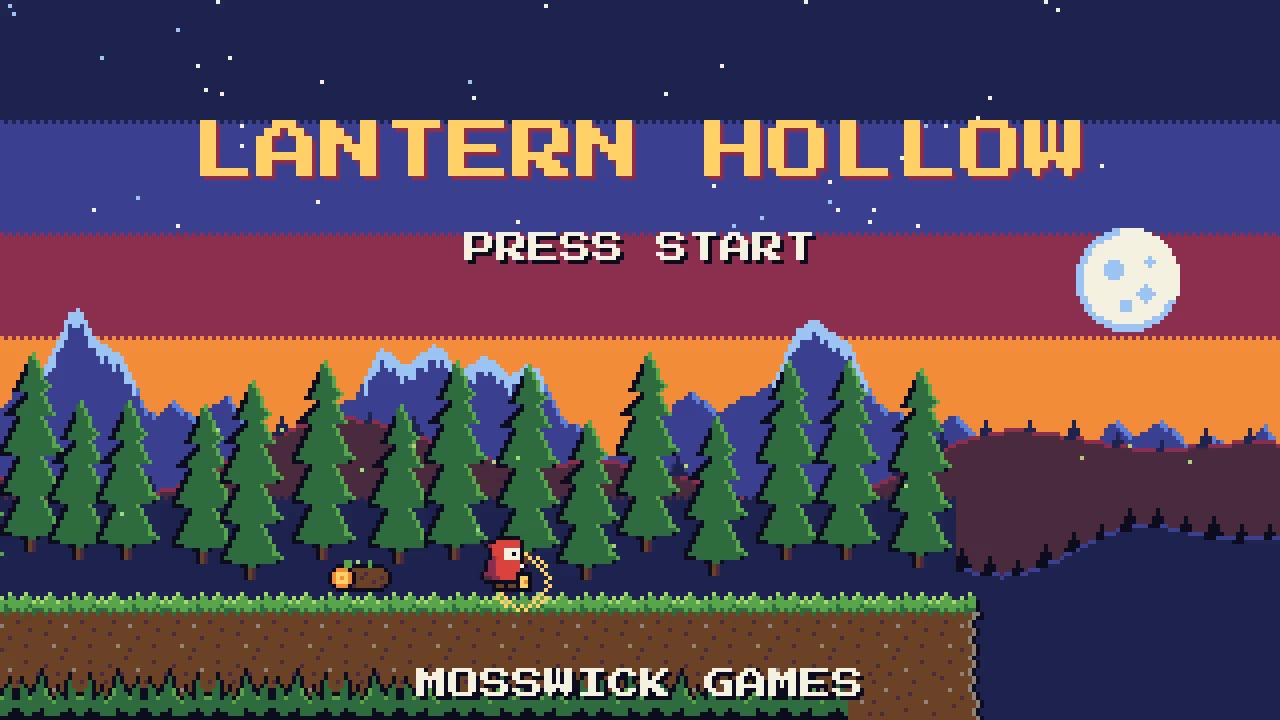
An 8-bit attract screen: a dusk forest scrolls in parallax layers as a tiny lantern-carrying hero walks, hops a log and…
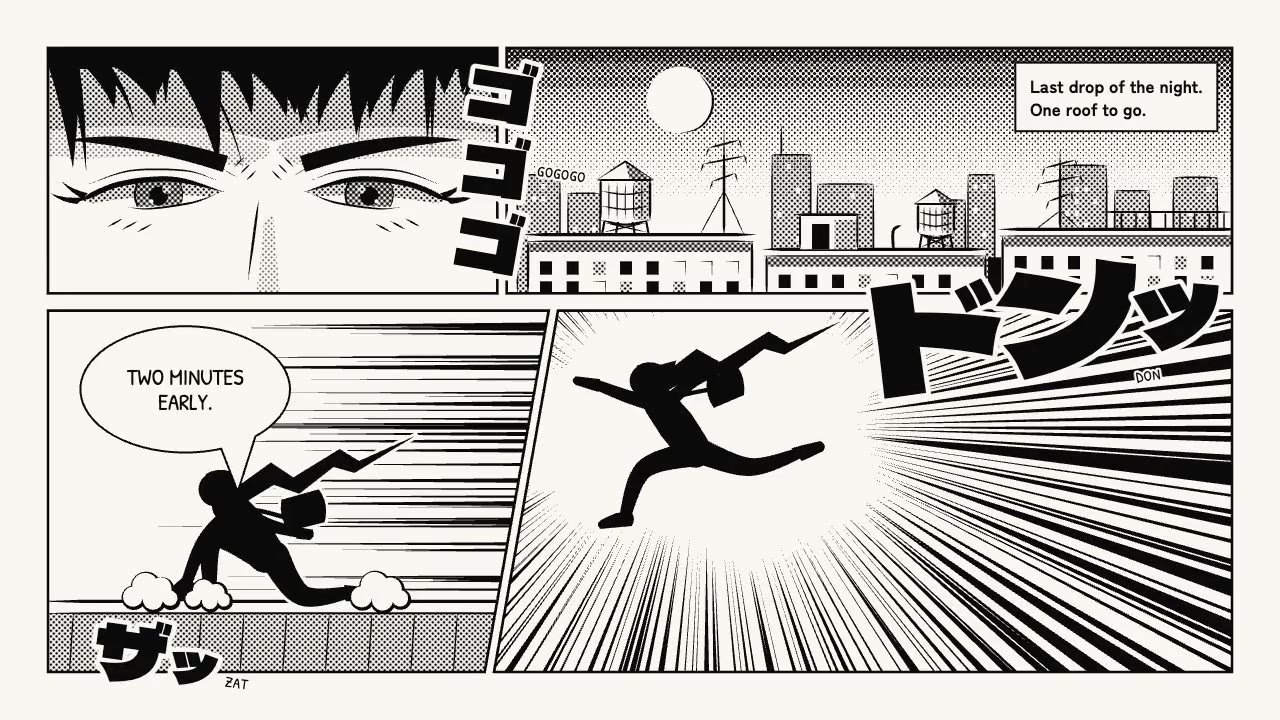
A black-and-white manga page read right to left: rooftops, narrowed eyes, a silhouetted courier leaping through focus l…
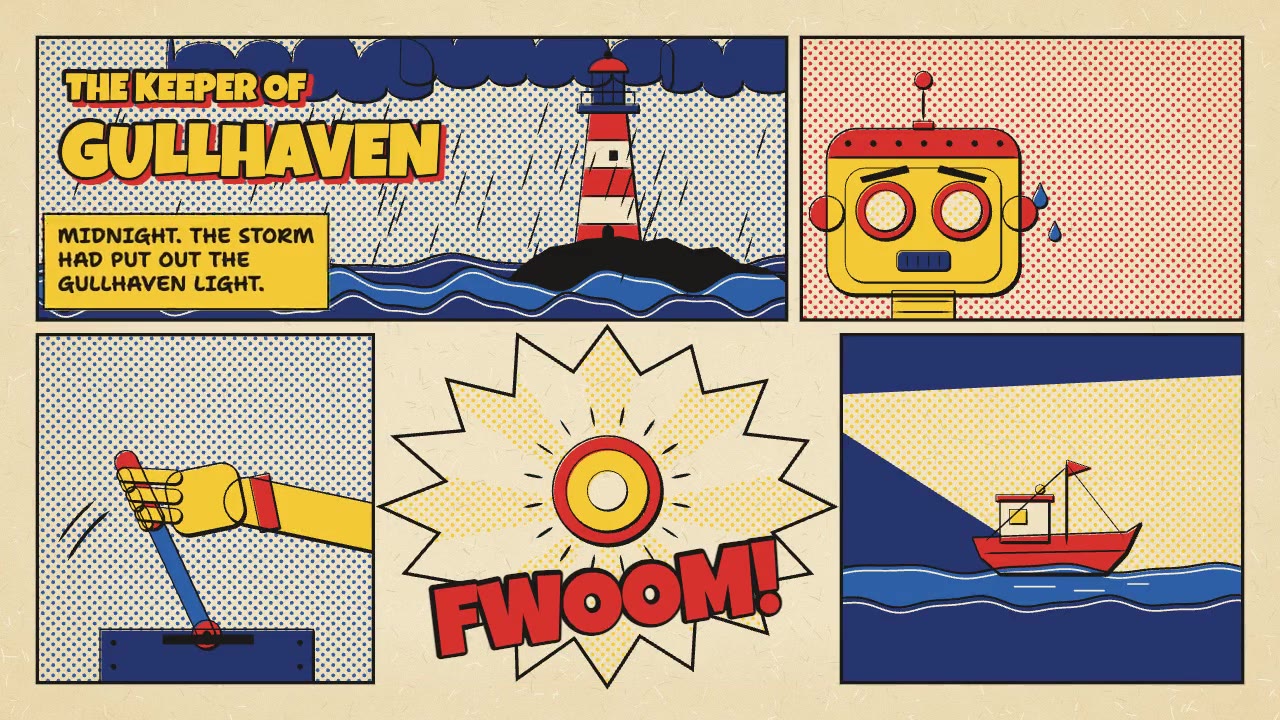
A five-panel comic page made the old way: blue pencil roughs, weighted black inks, flat process color with Ben-Day dots…
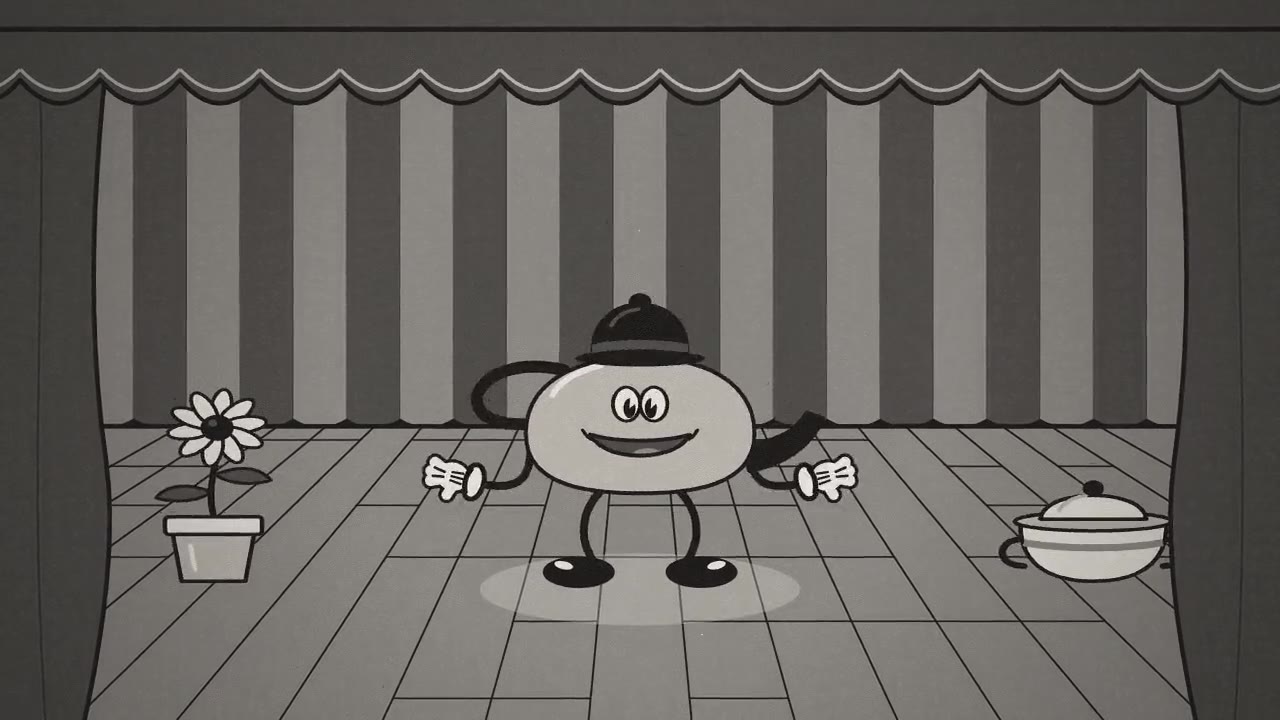
A black-and-white 1930s cartoon: Tippy, an original teakettle with rubber-hose limbs, white gloves and pie-cut eyes, da…
More like this on the motion design inspiration board: Character animation inspirationMusic video inspiration